If you have any questions, please call 207-773-7964.
Download these Prep Instructions for Printing
About Your Appointment
A responsible adult will need to drive you home. Taxis, Ubers, buses, medical ride services, or walking are not options unless a responsible adult accompanies you. You will not be able to drive for the rest of the day.
Plan on being at our facility for about 1 1⁄2 hours from arrival to departure (although this may vary depending on the day/procedure/location – ex. approx. 2.5 hrs for MMC)
For appointments with a scheduled arrival time of 4:00 pm or later, have your ride plan to be at the facility no later than 5:30 pm.
If you are unable to keep your appointment, please call at least 3 business days prior to your procedure to reschedule. We reserve the right to charge a penalty fee for patients who “no show” or cancel without adequate notice.
Medication Instructions
- Aside from the medications below, we recommend you take all home medications as usual with a small amount of water, at least 3 hours before your arrival time.
- If you take blood thinners (Plavix®, warfarin, Eliquis®, Xarelto®, etc.) and haven’t been given directions to stop them by our office or your prescribing physician’s office, please call us to clarify. It is ok to continue your Aspirin.
- Take 1⁄2 your morning insulin dose. Bring the other 1⁄2 with you.
Stop the following medications until after your procedure as directed below
7 days before your procedure
- Iron supplements, Fiber supplements (e.g. Metamucil®, Citrucel®)
- Weekly dosed GLP-1 agonists:
- Adipex-P®/Lomaira® (Phentermine)
- Bydureon® BCise®(Exenatide ER)
- Mounjaro®/Zepbound® (Tirzepatide)
- Ozempic®/Wegovy®(Semaglutide)
- Qsymia® (Phentermine/Topiramate)
- Trulicity®(Dulaglutide)
The day before your procedure
- Anti-diarrheal medications:
- Colestid® (colestipol)
- Lomotil®, Imodium® (loperamide)
- Questran® (cholestyramine)
The day of your procedure
- Daily dosed GLP-1 agonists:
- Adlyxin® (Lixisenatide)
- Byetta® (Exenatide IR)
- Rybelsus® (Semaglutide)
- Saxenda®/Victoza® (Liraglutide)
- Morning dose of oral diabetic medication (Bring it with you)
Step-by-Step Preparation Instructions
1 Week Prior to Colonoscopy
- Stop eating seeds, nuts, popcorn, tomatoes, corn, berries, granola with dried fruit, raisins
- Purchase the following items:
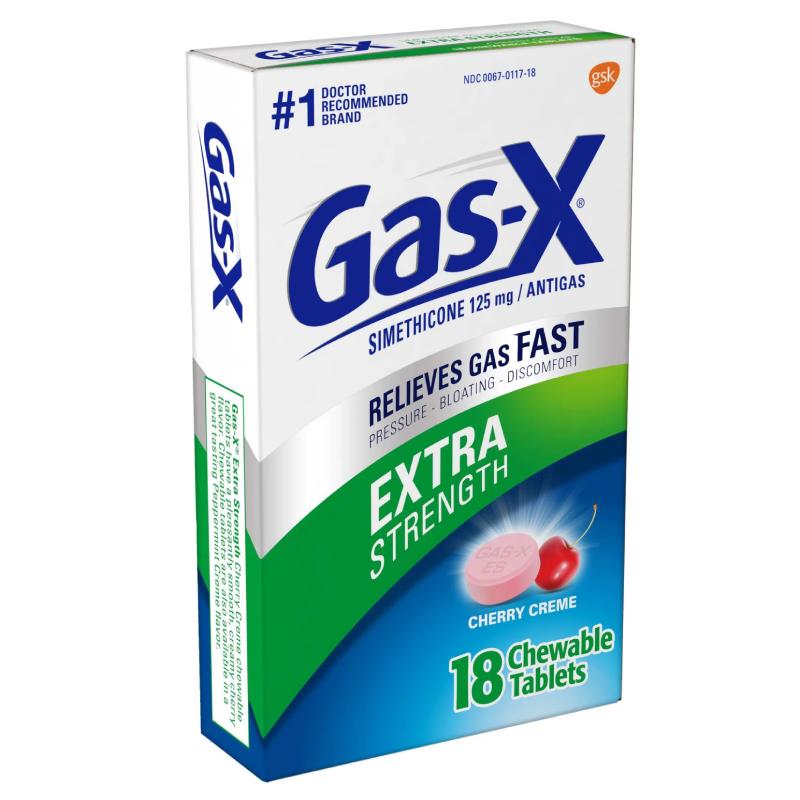
- 1 box Simethicone or Gas-X® tablets
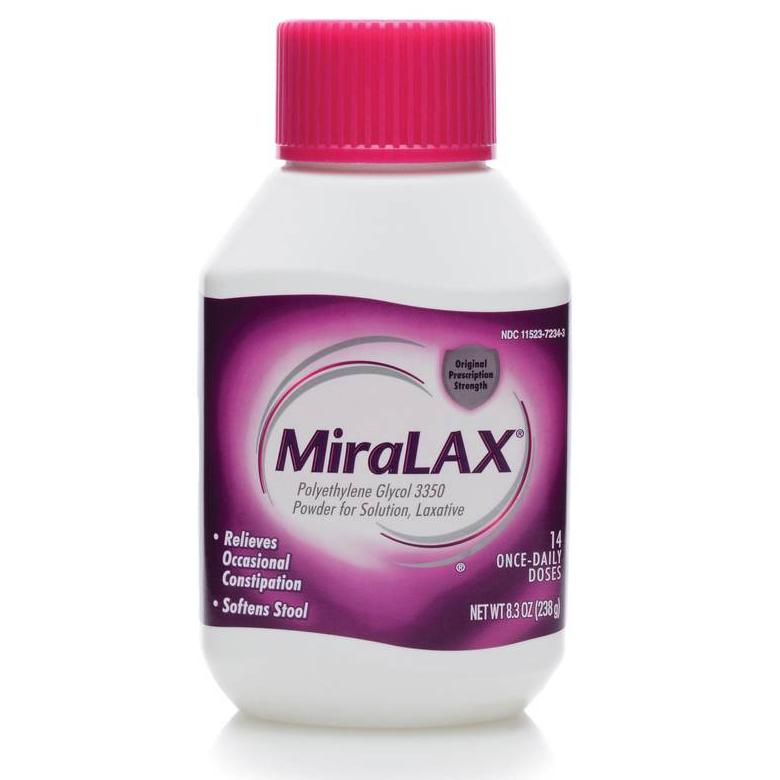
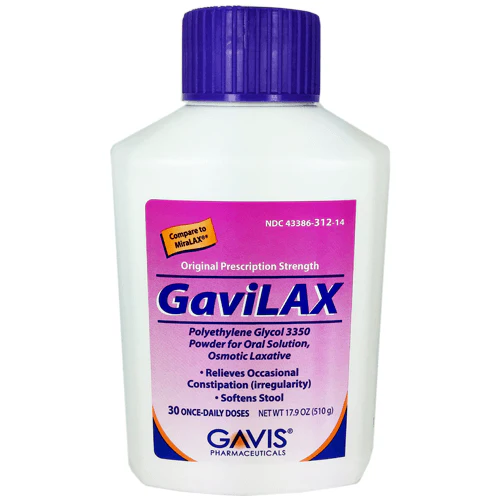
- 1 – 8.3 oz. container of MiraLAX® or Gavi LAX powder
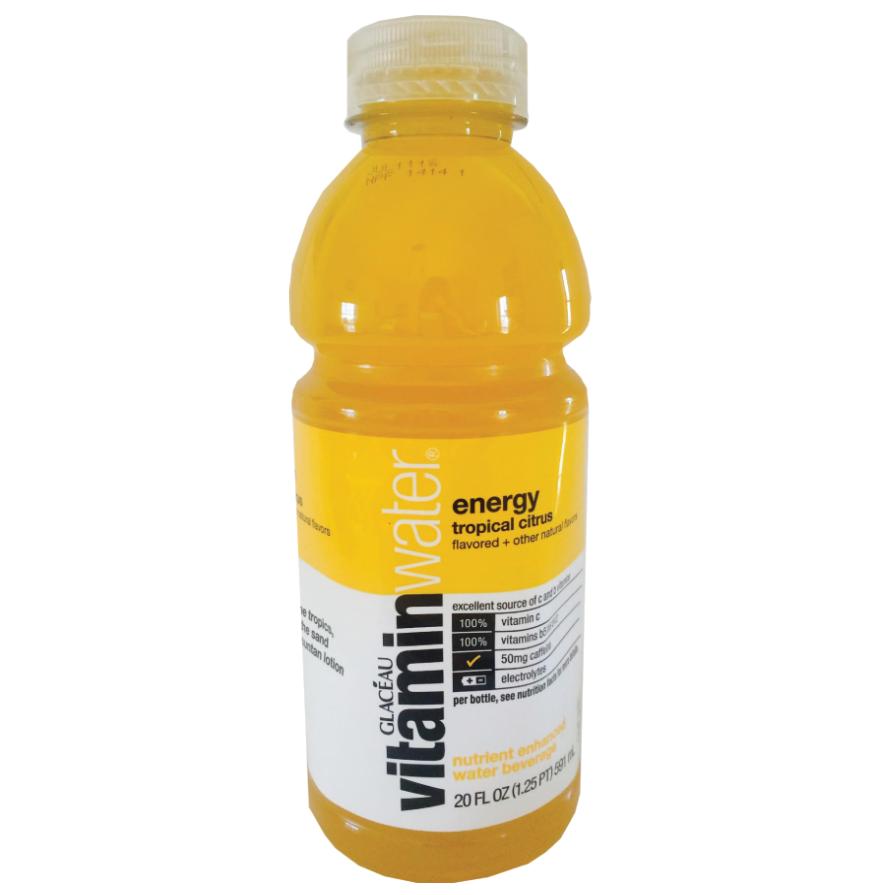
- 64 ounces of Gatorade®, Propel Water®, Vitamin Water®, coconut water or smartwater®
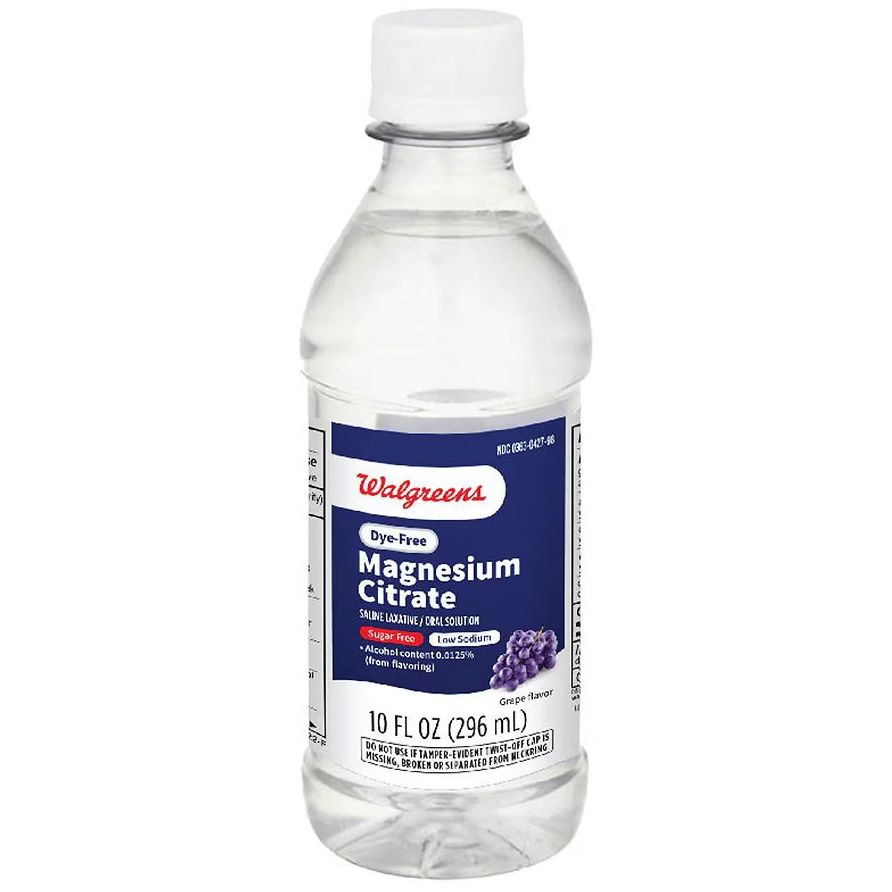
- 2 – 10 oz. bottles of liquid magnesium citrate
- Call the office if you are pregnant, have an internal cardiac defibrillator, had a recent cardiac procedure or a new cardiac health concern.
- Review the Medication Instructions above.
Day BEFORE Colonoscopy for ALL
Before 11:00 am
Eat a light Breakfast from the following list of foods:
- Boiled or poached egg
- Applesauce
- Yogurt (no granola or fruit chunks in it)
- Skinless chicken, turkey or fish
- Cottage cheese
- White bread or white toast without butter
- Plain tofu
At 11:00 am
- Do not eat solid foods until your procedure is completed.
- Start drinking clear liquids. Try to drink at least 8 oz of water per hour while you are awake. (TIP: Staying hydrated helps the prep work)
- Drink one 10 oz. bottle of magnesium citrate.
At 4:00 pm
- Mix 8.3 oz MiraLAX® in the 64 oz of liquid (e.g. Gatorade®, Propel®, smartwater®, etc.) and refrigerate. (TIP: It is best tolerated cold!
For Colonoscopies before 10 am
At 5:00 pm the day before
- Drink 8 ounces of the MiraLAX® mixture every 10 to 20 minutes until you have finished the entire 64 oz.
- Once you have finished the MiraLAX® mixture, drink the 2nd bottle of Magnesium Citrate.
- After you finish the 2nd bottle of Magnesium Citrate, take 2 simethicone (Gas-X®) tablets.
- Continue to drink clear fluids up to 3 hours prior to your procedure. (TIP: it is important to HYDRATE!)
- Review Colonoscopy preparation tips to determine if you are ready for your colonoscopy.
For Colonoscopies later than 10:00 am
After 5:00 pm the day before
- Drink 8 ounces of the MiraLAX® mixture every 10 to 20 minutes until you have finished half (32 oz). Refrigerate the remainder.
- Continue to hydrate. Drink 8 oz of water per hour. If you have not started moving your bowels within two hours, drink another 8 – 16 ounces of the MiraLAX® mixture.
Day of the Procedure (4 – 5 hours before the procedure)
- Complete the MiraLAX® mixture left from the day before.
- Drink the 2nd bottle of magnesium citrate.
- Once you have finished, take two simethicone (Gas-X®) tablets.
- Continue to drink clear fluids up to 3 hours prior to your procedure. (TIP: it is important to HYDRATE!)
- Review Colonoscopy preparation tips below to determine if you are ready for your colonoscopy.
Please review the following prior to starting your prep
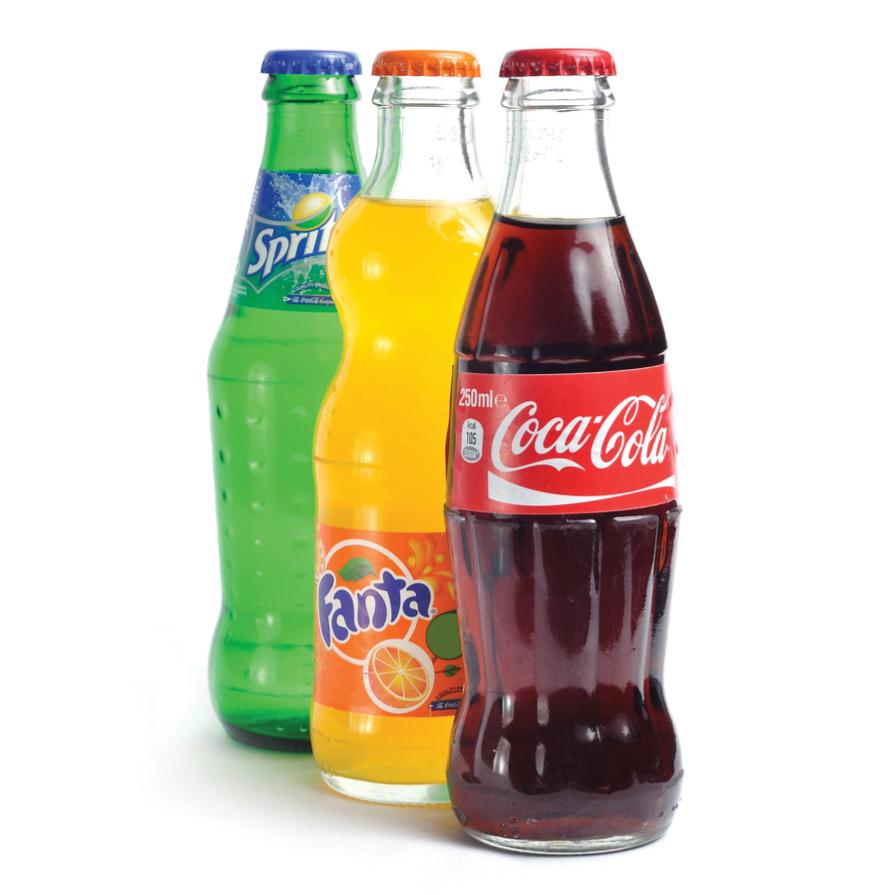
Examples of clear liquids
- Popsicles, EXCEPT for red, purple, or blue
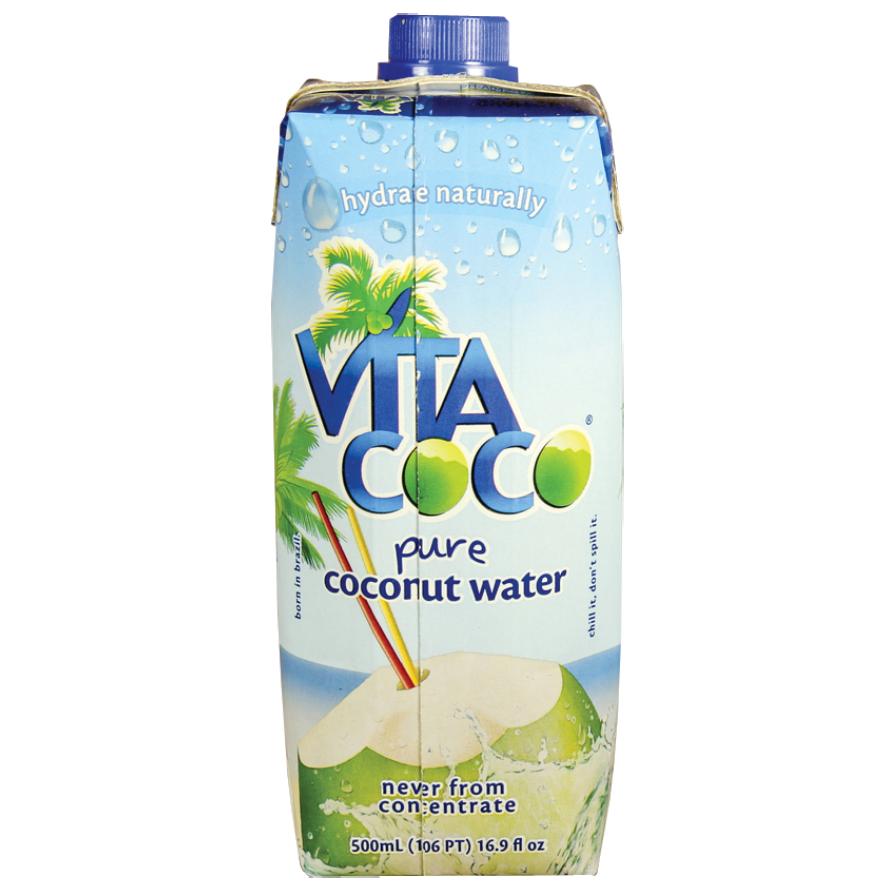
- Coconut water (NOT coconut milk)
- Gatorade®
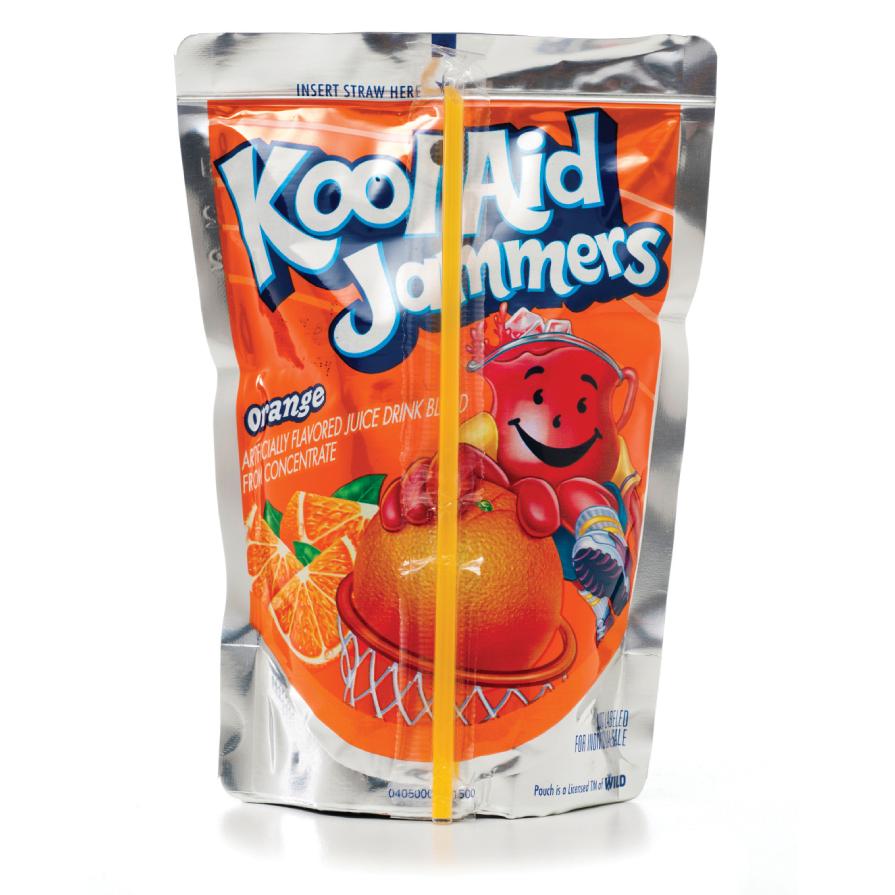
- Kool-Aid®
- Strained fruit juice (apple or white grape)
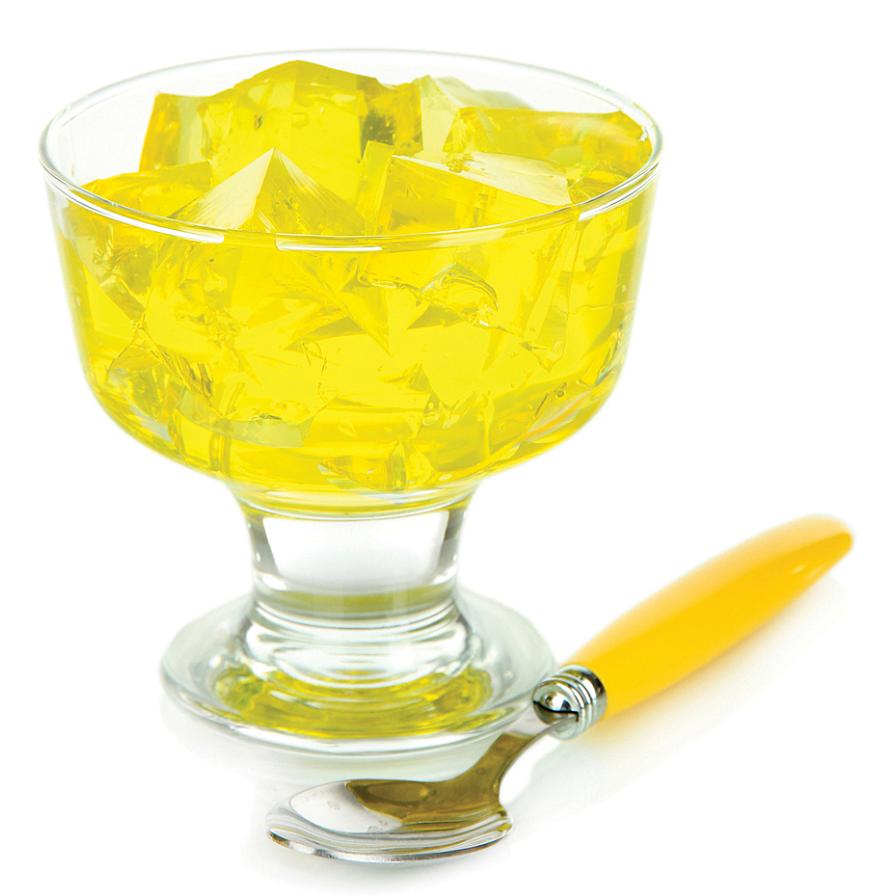
- Jell-O®
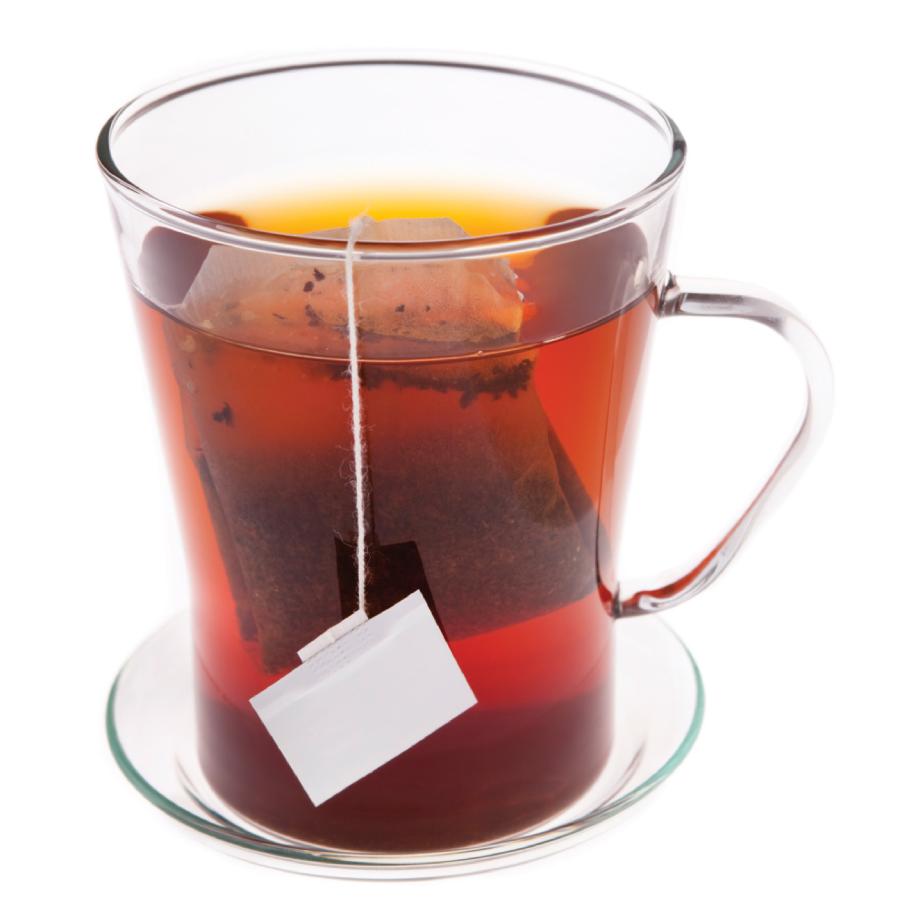
- Coffee and tea (without dairy products/creamer)
- Soft drinks



Tips
If you start to feel nauseous while prepping, try:
- Pause drinking the prep until the feeling improves, then resume
- Decrease the amount you drink at a time
- Take more time between drinks
- Refrigerate the prep mixture
- Use a straw
Prep goal: your stool should be clear and yellow. This chart will help you judge your progress!
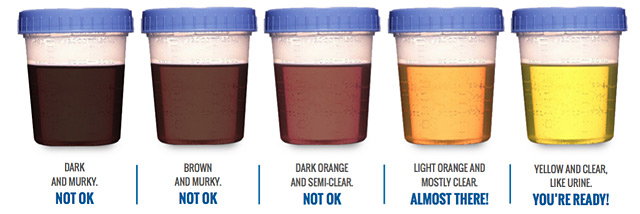
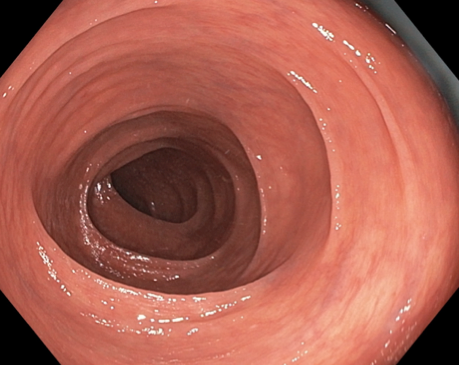
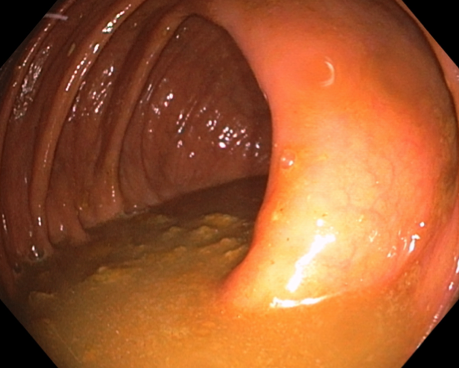
Your prep is one of the most important parts of your colonoscopy. Without a good prep—your bowel empty and clean—your gastroenterologist will not be able to see your colon clearly. This could lead to missing a polyp or having to reschedule your colonoscopy.
Here are photos that show the difference between a good prep and a bad prep so you can see why it’s essential.
What are the risks of a colonoscopy?
Colonoscopy is a standard medical procedure. Although rare, colonoscopies like all procedures have some risks.
- The instrument may tear the wall of the colon which may require surgery to repair.
- There may be adverse drug reactions or heart/breathing complications.
- Bleeding may occur and is more often a risk when tissue or polyps are removed.
- There may be discomfort during and after the procedure.